
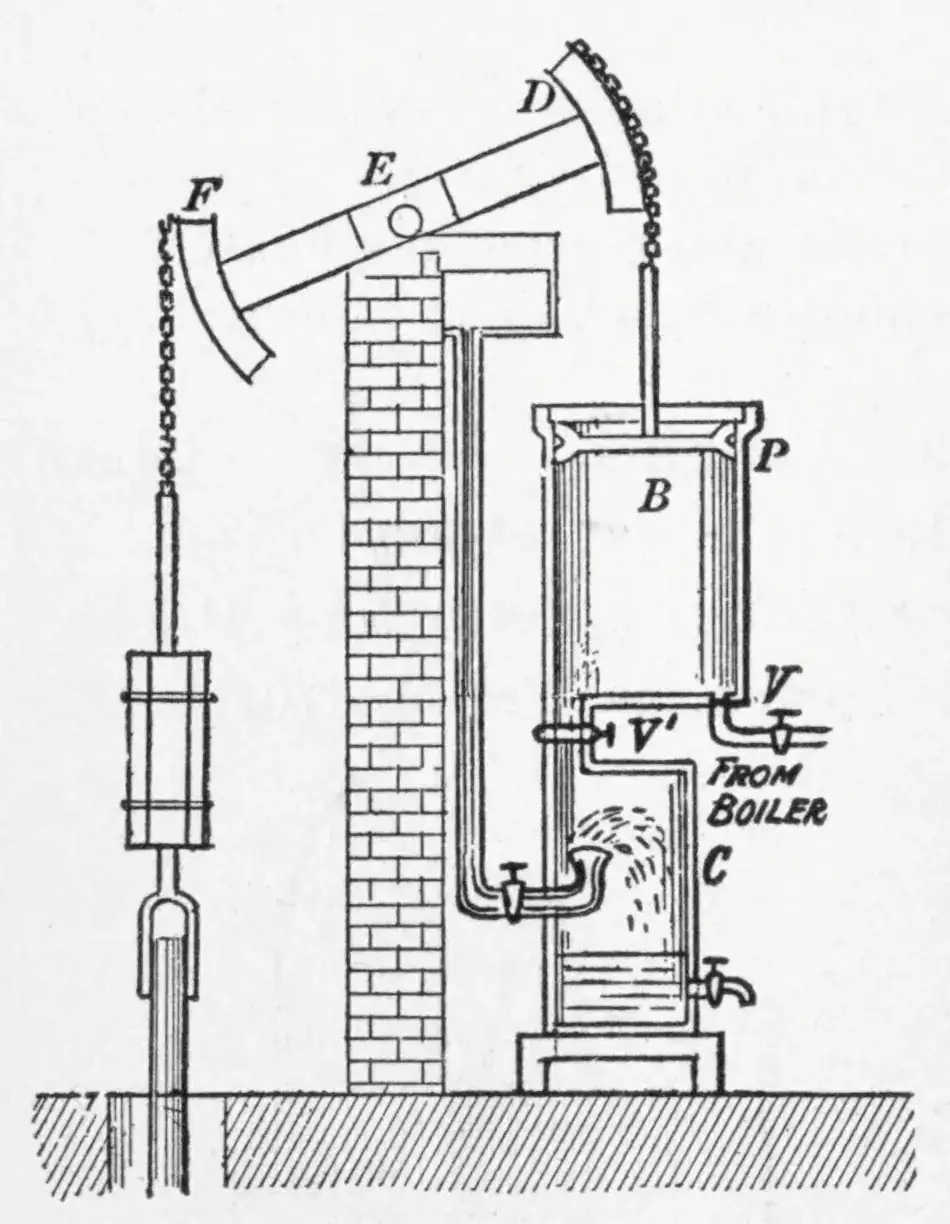
While repairing a Newcomen steam engine model, James Watt is inspired to add a separate condenser outside the cylinder, greatly improving thermal efficiency.1 He patents the design in 1769 (patent No.2 913).3 In 1775, he partners with Matthew Boulton; his improved engine (rotary motion in 1781, double-acting in 1782) becomes the core power source of the Industrial Revolution, driving textiles, mining, metallurgy, and transportation into the steam age.4
Evidence ledger
4 claims0 sourced4 unsourced
Every hard fact in the narrative above is registered here. A claim may also record source-only details that the narrative does not repeat; the related-narrative line points to the corresponding passage, not a guarantee that the source supports every word of the body. A claim without a source stays visibly unsourced.
No source registered. This assertion remains unverified.
Rebuilt after English expansion; unverified.
He patents the design in 1769 (patent No.
Related narrativeHe patents the design in 1769 (patent No.
No source registered. This assertion remains unverified.
Rebuilt after English expansion; unverified.
913).
Related narrative913).
No source registered. This assertion remains unverified.
Rebuilt after English expansion; unverified.
In 1775, he partners with Matthew Boulton; his improved engine (rotary motion in 1781, double-acting in 1782) becomes the core power source of the Industrial Revolution, driving textiles, mining, metallurgy, and transportation into the steam age.
Related narrativeIn 1775, he partners with Matthew Boulton; his improved engine (rotary motion in 1781, double-acting in 1782) becomes the core power source of the Industrial Revolution, driving textiles, mining, metallurgy, and transportation into the steam age.
No source registered. This assertion remains unverified.
Rebuilt after English expansion; unverified.
Sources and review
English translation predates the current source revision; 4 key claims have no binding source; Unsourced key claims keep the event at structure level
Locations
- Scotland· 55.9, -4.3· Approximate
evt-685d92af3425a8aeSource file:
events/evt-685d92af3425a8ae/event.md