
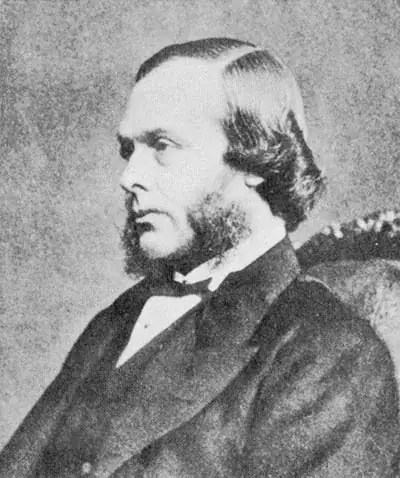
In 1867 Joseph Lister published a series of articles in The Lancet on the use of carbolic acid in surgery.1 He treated compound fractures and abscesses, cases in which infection often followed.2 Carbolic acid was applied to wounds and dressings in an effort to kill germs before they could enter the body. The results helped establish antiseptic surgery as a practical method and gave surgeons a way to reduce postoperative infection. Lister's work belonged to a wider shift in medicine toward understanding disease as something that could be prevented by controlling unseen agents. The operating theatre became a place of deliberate hygiene rather than only technical skill. His methods were adopted and debated by surgeons in other countries and became part of the gradual remaking of hospital practice.
Evidence ledger
3 claims2 sourced0 unsourced1 author judgment
Every hard fact in the narrative above is registered here. A claim may also record source-only details that the narrative does not repeat; the related-narrative line points to the corresponding passage, not a guarantee that the source supports every word of the body. A claim without a source stays visibly unsourced.
- Joseph Lister and the performance of antiseptic surgerySection: Antiseptic performance
Joseph Lister's first published account of his use of carbolic acid was in a series of articles in The Lancet in the spring of 1867.
Accessed 2026-11-09 · machine excerpt · pending human review - Joseph Lister's antisepsis systemThe science of germ theory
The chemical he chose to use was carbolic acid, which killed the germs on contact.
Accessed 2026-11-20 · machine excerpt · pending human review
- Joseph Lister and the performance of antiseptic surgerySection: Antiseptic performance
He treated compound fractures and abscesses, cases in which infection often followed.
Related narrativeHe treated compound fractures and abscesses, cases in which infection often followed.
- Joseph Lister and the performance of antiseptic surgerySection: Antiseptic performance
The problem he addressed was how to prevent wound infection in compound fractures and abscesses.
Accessed 2026-11-09 · machine excerpt · pending human review
- Joseph Lister and the performance of antiseptic surgerySection: Antiseptic performance
The overall context of the event body.
Related narrativeIn 1867 Joseph Lister published a series of articles in The Lancet on the use of carbolic acid in surgery. He treated compound fractures and abscesses, cases in which infection often followed. Carbolic acid was applied to wounds and dressings in an effort to kill germs before they could enter the body. The results helped establish antiseptic surgery as a practical method and gave surgeons a way to reduce postoperative infection. Lister's work belonged to a wider shift in medicine toward understanding disease as something that could be prevented by controlling unseen agents. The operating theatre became a place of deliberate hygiene rather than only technical skill. His methods were adopted and debated by surgeons in other countries and became part of the gradual remaking of hospital practice.
Editorial judgment, not a historical fact.
Author judgment covering the body context; not a factual source.
Sources and review
Cross-check · 2026-11-20 · The Science Museum article and the Royal Society paper both support Lister’s use of carbolic acid in antiseptic surgery; the 1867 Lancet publication details remain based on the Royal Society record.
- Joseph Lister and the performance of antiseptic surgery · Michael Worboys · The Royal Society (accessed 2026-11-09) Original source ↗
- Joseph Lister's antisepsis system · Science Museum (accessed 2026-11-20) Original source ↗
Locations
- United Kingdom· 55.95, -3.19· Approximate
evt-5270093aa11135b2Source file:
events/evt-5270093aa11135b2/event.md