
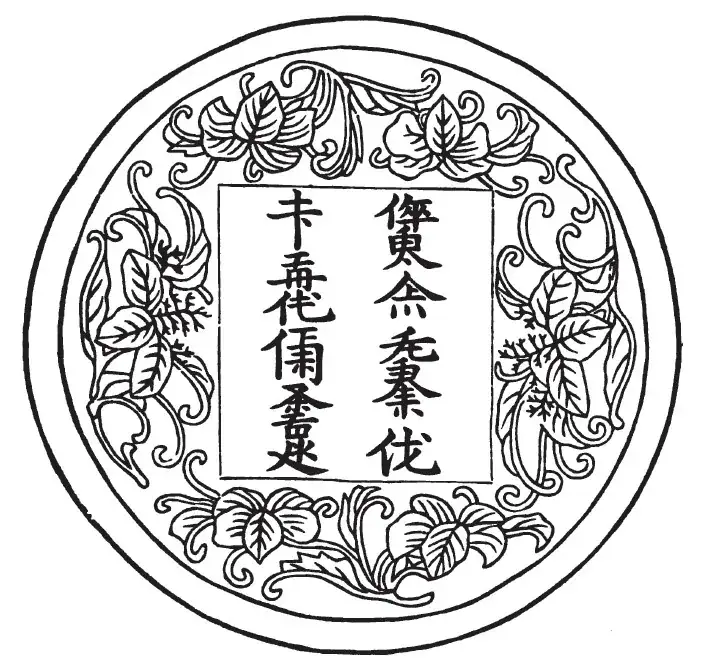
Emperor Taizu of Jin, Wanyan Aguda, ordered Wanyan Xiyin to create a Jurchen script.1 In 1119, Xiyin, based on Chinese and Khitan characters, created the Large Jurchen script (and later a Small Jurchen script).2 The Jurchen script was used for official documents, but only among the upper echelons of Jurchen nobility; ordinary Jurchen people still spoke their language.3 In the late Jin, the Jurchen script was gradually replaced by Chinese characters and was largely lost by the Ming dynasty.4 Surviving inscriptions in Jurchen, such as the Stele of the Victory at Desheng Tuo, are valuable materials for studying Jurchen history.5
Evidence ledger
5 claims0 sourced5 unsourced
Every hard fact in the narrative above is registered here. A claim may also record source-only details that the narrative does not repeat; the related-narrative line points to the corresponding passage, not a guarantee that the source supports every word of the body. A claim without a source stays visibly unsourced.
Emperor Taizu of Jin, Wanyan Aguda, ordered Wanyan Xiyin to create a Jurchen script.
Related narrativeEmperor Taizu of Jin, Wanyan Aguda, ordered Wanyan Xiyin to create a Jurchen script.
No source registered. This assertion remains unverified.
Bulk context rewrite; sources pending
In 1119, Xiyin, based on Chinese and Khitan characters, created the Large Jurchen script (and later a Small Jurchen script).
Related narrativeIn 1119, Xiyin, based on Chinese and Khitan characters, created the Large Jurchen script (and later a Small Jurchen script).
No source registered. This assertion remains unverified.
Bulk context rewrite; sources pending
The Jurchen script was used for official documents, but only among the upper echelons of Jurchen nobility; ordinary Jurchen people still spoke their language.
Related narrativeThe Jurchen script was used for official documents, but only among the upper echelons of Jurchen nobility; ordinary Jurchen people still spoke their language.
No source registered. This assertion remains unverified.
Bulk context rewrite; sources pending
In the late Jin, the Jurchen script was gradually replaced by Chinese characters and was largely lost by the Ming dynasty.
Related narrativeIn the late Jin, the Jurchen script was gradually replaced by Chinese characters and was largely lost by the Ming dynasty.
No source registered. This assertion remains unverified.
Bulk context rewrite; sources pending
Surviving inscriptions in Jurchen, such as the Stele of the Victory at Desheng Tuo, are valuable materials for studying Jurchen history.
Related narrativeSurviving inscriptions in Jurchen, such as the Stele of the Victory at Desheng Tuo, are valuable materials for studying Jurchen history.
No source registered. This assertion remains unverified.
Bulk context rewrite; sources pending
Sources and review
English translation predates the current source revision; 5 key claims have no binding source; Unsourced key claims keep the event at structure level
- Proposal to encode Jurchen Small Script characters — Unicode · Unicode Consortium (accessed 2026-11-20) Original source ↗
Locations
- Jin· 45.8, 126.5· Approximate
evt-1f70b7ddf29b04c5Source file:
events/evt-1f70b7ddf29b04c5/event.md